


Blog / Community

4 Outdoor Activities You Can Drive to Near El Paso, TX

family road trip

El Paso, TX is a charming, culturally vibrant city offering world-class country and western music, delicious Mexican cuisine, the architectural delights of ancient Spanish missionaries, and thrilling rodeo shows. There are also many terrific outdoor activities to be enjoyed in the region's dramatic and beautiful desert and mountain landscapes. Here are four things to have fun doing outdoors in and close to El Paso. 

4 Outdoor Activities You Can Drive to Near El Paso, TX

See Incredible Wildlife at El Paso Zoo 

How long has it been since you visited a really good zoo? El Paso's clean, expansive, and well-maintained 35-acre zoo has 220 species of animal to observe. When you visit, you'll have many picture opportunities with jaguars, tigers, bears, orangutans, elephants, roadrunners, sea lions, monkeys, and more fascinating wildlife. 

The zoo is well organized and easy to navigate, with four main sections showcasing animals from Africa, America, Asia, and the Chihuahuan Desert. You can find the zoo at 4001 East Paisano Drive. 

Explore El Paso Desert Botanical Gardens

The stunning desert landscapes in this part of Texas are host to a surprisingly colorful and thriving variety of flora. The most beautiful and interesting species of the region's desert plants are on display at the El Paso Desert Botanical Gardens. 

You can wander around the picturesque, carefully cultivated gardens taking pictures of acacia trees, creosote bushes, yuccas, prickly pear, honey mesquite, and other fascinating plants and trees. Find the botanical gardens in Keystone Heritage Park at 4200 Doniphan Drive. 

Hike the Thousand Steps Trailhead

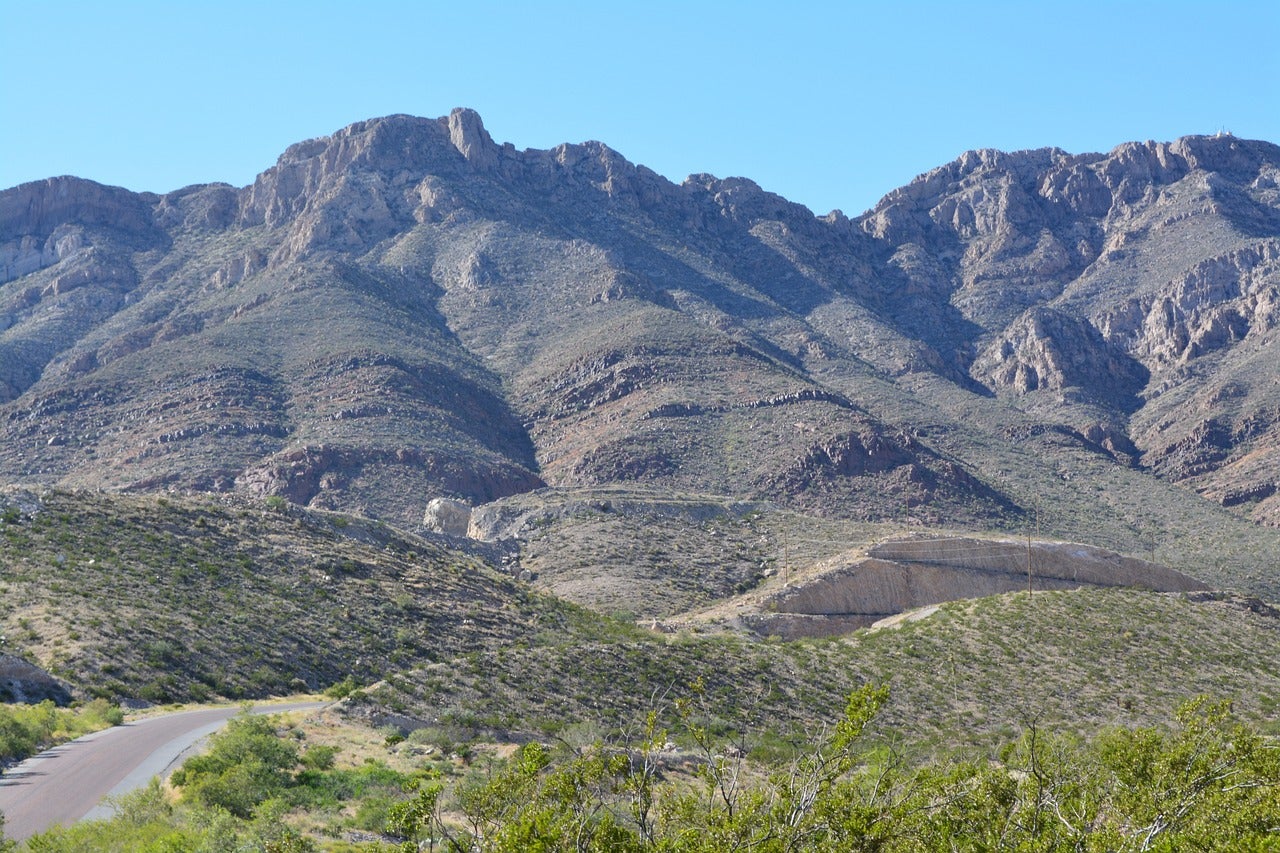
If you're in the mood to challenge yourself, pull on your hiking boots, put on plenty of sun cream, and head to the Thousand Steps Trailhead at 4999 North Stanton Street at the southern end of Franklin Mountain State Park. This tough climbing trail is seriously good fun for anyone who loves hikes and stunning mountain views. 

As you progress, the trail becomes steadily more and more difficult, but it also becomes quieter and more peaceful, and the magnificent views from the top are worth the effort. On the way up, you're even rewarded with the old crash site of a B-36 bomber. Once you've made it back down to the bottom of the trail, you can cool off in the wonderful air conditioning of your new 2024 Buick Encore GX. 

Go Horseback Riding at Miller Horse Farm 

Horseback riding has long been a beloved pastime and heritage of El Paso. One of the best places in the area to enjoy a day of horseback riding is Miller Horse Farm and Riding Academy. You can ride around a large and picturesque farm of vineyards and then enjoy the fine produce of one of the region's best wineries. 

Of course, remember to drink responsibly with moderation and never drink and drive. The wine will only be for adults, but youngsters can still have the time of their lives learning to ride horses and enjoying the other delicious food and beverages the farm has to offer. You'll find this charming horseback riding and vineyard farm at 200 Fig Tree Lane in Anthony at the northwestern tip of El Paso. 

Once you've completed your next outdoor adventure, visit Casa Buick GMC. We've been serving the drivers of El Paso with fantastic cars, deals, and customer service for fifty years, since 1973.

Posted in:

Related Posts

Horizontal banner with male and female legs in cowboy boots dancing country western, vector illustration, no transparencies, copy space at the bottom

The Rich History of Square Dancing in the Southern U.S.

Square dancing has captivated generations with its rhythmic steps, vibrant music, and sense of unity. Deeply rooted in American culture, it is significant in Southern states like Texas, Arizona, New Mexico, and Oklahoma. Let us explore the origins, evolution, and cultural importance of square dancing in America and ‘the West’! The Origins of Square Dancing Square dancing originated from various European folk dances, like the English Morris dance, French quadrille, and Scottish reel, brought to America by European immigrants in the 17th and 18th centuries. Over time, these styles blended into the American square dance we know today. The quadrille, involving four couples in a square, greatly influenced square dancing's development. After the American Revolution, it became a popular social activity in the new nation. By the 19th century, square dancing had spread widely in America, especially in rural areas, becoming a fixture at social gatherings. African-American communities played a key role, often serving as musicians and introducing the practice of "calling"—announcing dance steps. This innovation is now a defining feature of square dancing. Square Dancing in the Southern States Square dancing, cherished across the nation, holds a special significance in the cultural fabric of Southern states like Texas, Arizona, New Mexico, and Oklahoma. This vibrant tradition flourishes in the Southwest, with each state infusing the dance with its unique flair. In Texas, square dancing is more than just a pastime—it’s a way of life. Numerous clubs and large-scale events attract enthusiasts nationwide, underscoring its role as a cultural cornerstone that celebrates community and tradition. In Arizona and New Mexico, square dancing is enriched by the Southwest's cultural diversity, blending Native American and Mexican folk traditions. This fusion acts as a cultural bridge, fostering mutual appreciation and understanding. Meanwhile, in Oklahoma, the dance is intertwined with the state's cowboy culture, embodying a rugged, independent spirit that makes it a beloved local pastime. Together, these states form a dynamic hub for square dancing, honoring its historical roots while celebrating its enduring cultural significance. Key Milestones in Square Dance History In the early 20th century, square dancing faced a decline as other forms of entertainment gained popularity. Henry Ford, the famous industrialist, played a pivotal role in reviving the dance. He sponsored square dance clubs and events, ensuring the tradition's survival and inspiring a new generation of enthusiasts. Educator Lloyd Shaw was instrumental in transforming square dance from a regional folk activity into a national phenomenon. After World War II, Shaw integrated square dancing into high school physical education programs across the country, helping to standardize calls and choreography. Today, square dancing has evolved into two primary forms: Traditional Square Dance, known for its regional varieties and simpler, pre-determined calls, and Modern Western Square Dance, which evolved in the 1970s and features more complex calls, improvisation by callers, and a broader range of music. The Spirit of Square Dancing and Americana Square dancing stands as a testament to America's cultural diversity and spirit of innovation. Whether you're a history enthusiast or simply someone looking to try something new, square dancing offers a delightful way to connect with others and celebrate our shared heritage. Ready to step into the enchanting world of square dancing? Put on your dancing shoes, find a partner, and join the community that keeps this timeless tradition alive. Much like square dancing, cars are a central part of the American way of life. Visit Casa Buick GMC and keep the American dream alive with all the cars, trucks, and SUVs you could ever wish for! Whether you’re going to the honky tonk, need something that can tow for work, or simply want to cruise in style, we have what you need. We look forward to seeing you at Casa Buick GMC!

red traffic light.

Stop on Red Week: Promoting Safety at Intersections

Intersection crashes are among the most dangerous traffic incidents, often leading to severe injuries and fatalities. To raise awareness and promote safe driving, National Stop on Red Week takes place every year during the first week of August. This initiative serves as a crucial reminder of the importance of obeying traffic signals and highlights the devastating consequences of running red lights. The History and Importance of Stop on Red Week National Stop on Red Week was established by the Federal Highway Administration (FHA) in 1995 to educate the public about the severity of traffic collisions and the role of traffic signals in preventing accidents. The first stop sign appeared in Detroit in 1915, and by the late 1920s, the familiar red background and octagon shape were standardized to minimize confusion and ensure clear communication to drivers. The statistics are alarming. In 2016 alone, 808 people were killed, and 137,000 were injured due to drivers running red lights. Between 2008 and 2021, an estimated 11,296 people lost their lives in crashes related to red-light running. These numbers underscore the critical need for initiatives like Stop on Red Week to remind drivers of their responsibility to follow traffic signals. Why Stop on Red Week is Crucial Traffic signals are not mere suggestions; they are vital control mechanisms that keep intersections safe. Stop on Red Week emphasizes its role in preventing accidents and saving lives by teaching the dangers of reckless driving. Ignoring red lights and stop signs can lead to catastrophic accidents, highlighting the importance of controlled speed and direction at intersections to make roads safer for everyone. While most drivers know basic traffic laws, their significance can sometimes be forgotten, making Stop on Red Week a crucial refresher that underscores why these rules exist and their life-saving impact. Advanced Car Safety Features Modern technology has brought forth a range of advanced safety features aimed at preventing accidents, particularly at intersections. Here’s a closer look at some of the most effective features related to automatic emergency braking: Blind Spot Detection: Alerts drivers to vehicles in their blind spots, helping prevent side-impact collisions. Forward Collision Warning: Monitors the road ahead and warns drivers of potential collisions, giving them time to react. Brake Assist: Boosts braking power during emergency stops, reducing stopping distances. Adaptive Cruise Control: Automatically adjusts speed to maintain a safe distance from the car ahead, now a standard feature in many new vehicles. Lane Keeping Assist: Helps drivers stay in their lane by providing corrective steering when needed. These features work together to enhance safety and minimize the risk of accidents caused by human error. Be Safe This August with New Safety Features National Stop on Red Week is a crucial campaign that underscores the importance of following traffic signals and the dangers of reckless driving. This week-long initiative strives to decrease intersection-related accidents and save lives by promoting safe driving habits, raising public awareness, and encouraging the use of advanced vehicle safety features. At Casa Buick GMC of El Paso, we are proud to offer Buick and GMC vehicles with some of the best safety features currently on the market. Independent of what type of vehicle you are looking for, our cars offer rear camera mirrors and following distance indicator features in most new models. Trade in your outdated car today and upgrade to ensure your safety this Stop on Red week!

Franklin Mountains State Park

3 Amazing State Parks in Driving Distance of El Paso, TX

Texas features a wide array of diverse landscapes, animals, and plant life to explore. If you're interested in the natural world, don't miss a trip to one of our three favorite state parks within a short drive of El Paso, TX. more 1. Franklin Mountains State Park Located right in El Paso, this state park spans nearly 25,000 acres of breathtaking desert landscape. Franklin Mountains State Park features rugged terrain with more than 100 miles of mountain biking and hiking trails. Rock climbing is allowed at Sneed's Cory and McKelligan Canyon in designated areas only. You can stay for the weekend at one of the park's five RV sites or 14 tent sites. The park is located on Tom Mays Park Access Rd just off Woodrow Bean Transmountain Dr. Franklin Mountains State Park is open from 8 a.m. to 5 p.m. daily (6:30 a.m. opening on summer weekends). Admission is $5 for guests ages 12 and over and free for younger children. 2. Hueco Tanks State Park and Historic Site This state historic site is less than a 30-minute drive from El Paso. Hueco Tanks is a fragile natural area that includes pictographs and petroglyphy from more than 1,500 years ago. You can take a self-guided or guided tour of these images or explore the park's hiking trails, where you might glimpse one of the more than 200 bird species that live here. Hueco Tanks also has 10 shaded picnic shelters. Although Hueco Tanks is a popular park for day trips, you can also reserve one of its 20 campsites for a longer stay. During the summer, it's open from 8 a.m. to 6 p.m. from Monday through Thursday and 7 a.m. to 7 p.m. from Friday through Sunday. 3. Balmorhea State Park You can reach this state park with a drive of less than three hours from El Paso to Toyahvale, and it's worth it since you'll get to swim in the largest spring-fed pool in the entire world. Bring your scuba gear to experience the local marine life up close. The restored desert wetlands habitat at Balmorhea State Park provides a home for many endangered wildlife, bird, and fish species. The park also features a playground, sports fields, and picnic sites, as well as 34 campsites and a lodge. Balmorhea State Park is located at 9207 Texas Hwy 17. It's open from 8 a.m. to 7:30 p.m. or sunset (whichever comes first). Admission costs $7 for adults and kids ages 12 and older, but younger kids get in for free. The GMC Canyon is the perfect pickup truck for adventures all over Texas. Take your test drive today at Casa Buick GMC. Photo Courtesy of Pixabay